
How sound, light, touch, and space shape closeness in neurodivergent partnerships
Love isn’t always loud.
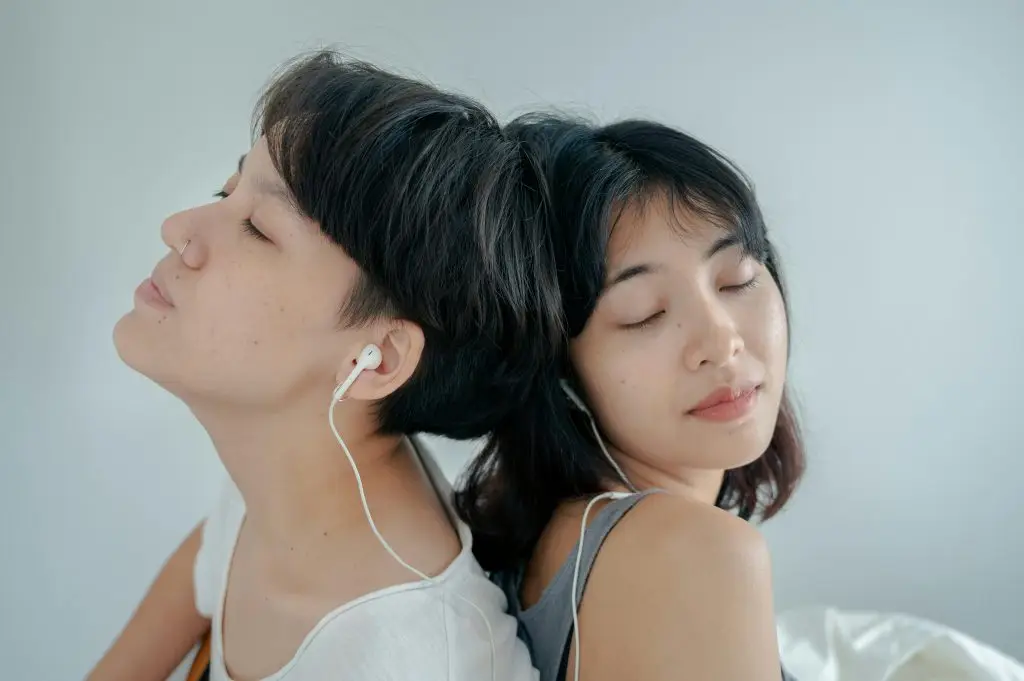
Love isn’t always loud. For some, it’s soft lighting, parallel play, or the freedom to wear noise-canceling headphones on a long car ride or at a cafe.
For many neurodivergent individuals, sensory sensitivities play a huge role in how intimacy is experienced—and how safety is built.
In this post, we’re exploring what it means to love (and be loved) in a way that honors the nervous system. Whether you’re neurodivergent yourself or in partnership with someone who is, these gentle shifts can create space for closeness without sensory overwhelm.
Understanding Sensory Processing in Relationships
- Some people feel chronically understimulated and end up seeking intense sensory experiences; others are overstimulated and find themselves avoiding experiences —and many identify with both these patterns depending on the moment.
- Certain types of physical touch (or even emotional closeness) can feel overwhelming during dysregulation.
- Sensory preferences are not rejection. They’re boundaries that protect the capacity for connection.
“The body isn’t being ‘difficult.’ It’s being honest about what it needs to feel safe.”
Common Sensory Triggers in Intimacy
- Bright lights
- Loud environments
- Unexpected touch
- Crowded or tight spaces
- Talking while overstimulated
Intimacy isn’t just physical closeness. It’s also about knowing when space is needed to return to closeness later.
Supporting Sensory-Friendly Closeness
- Dim the lights or use soft orange or ambient lighting
- Opt for parallel activities(watching a show, reading side-by-side) instead of direct conversation after long days
- Ask before initiating touch—especially if someone is overstimulated
- Offer sensory tools like weighted blankets, chewable jewelry, or fidget objects as part of your shared space
Tip: Try creating a shared sensory map—what soothes each of you, what overwhelms, and how to repair when one of you is overstimulated.
Reframing Closeness as Flexibility
Closeness might mean separate rooms with the door cracked open.
It might mean taking a walk instead of a face-to-face talk.
It might mean skipping date night and staying home in cozy silence.
When we free love from “shoulds” and the pressure to conform to a “neurotypical” ideal , we make room for something more authentic—and more sustainable.
Closing :
Every nervous system is unique. The more we learn to attune to each other’s needs, the more intimacy becomes a space of safety—not stress.
Want to explore this further in therapy?
Visit sagerivertherapy.com to schedule a free consultation with one of our clinicians.

